
Solar explained / Blog & insights
How solar panels work: a homeowner’s guide
A clear look at what happens on your roof, where the electricity goes, and why a sunny day and a lower bill are two different calculations.
The quiet work happening on your roof
A rooftop solar panel has no engine and burns no fuel. Inside it, connected photovoltaic cells convert light into electrical energy. When sunlight reaches a semiconductor, its energy can free charge carriers to move. The cell’s structure and metal contacts collect that movement as an electric current. Panels combine cells, and an array combines panels, so a small physical effect becomes a useful household electricity supply. [1]
How that electricity reaches the kitchen
Panels produce direct current, or DC. Most home appliances use alternating current, or AC. An inverter performs that conversion. Depending on the design, a system may use a central inverter or smaller microinverters associated with individual panels. Mounting, wiring, protective devices, monitoring, and the electrical connection all belong to the complete system. The panels are the most visible part; they are only one part of what makes it work. [2]
Why the number on the panel is not a daily promise
A panel’s wattage describes power under specified test conditions. Your roof experiences changing sunlight, shade, weather, and temperature. Two roofs with the same number of panels can therefore produce different amounts of electricity. Hotter cells can also perform less efficiently: a bright, cool day can be productive even when it does not feel especially warm. Ask for a production estimate based on your actual roof and an explanation of the assumptions behind it. [3]
Kilowatts and kilowatt-hours: the useful distinction
Kilowatts (kW) measure power at a moment. Kilowatt-hours (kWh) measure energy over time—the unit you see on an electric bill. A system delivering 4 kW steadily for two hours supplies 8 kWh. Real solar output rises and falls, so an array rated at 8 kW does not produce 8 kWh every hour of the day. Your proposal should show expected energy production by month, not just the size of the array. These numbers illustrate the units; they are not a production estimate for a particular roof.
Follow the electricity through an ordinary day
When production and household use overlap, solar can supply home loads. In a system configured for storage, some electricity can charge the battery for later. A grid-connected home can import electricity when it needs more than the system supplies. Exports and credits depend on the utility connection and electricity plan. Making more electricity over a year than you consume does not, by itself, establish a zero bill: timing and the value assigned to imported and exported electricity matter.
Solar generation and outage backup are different capabilities
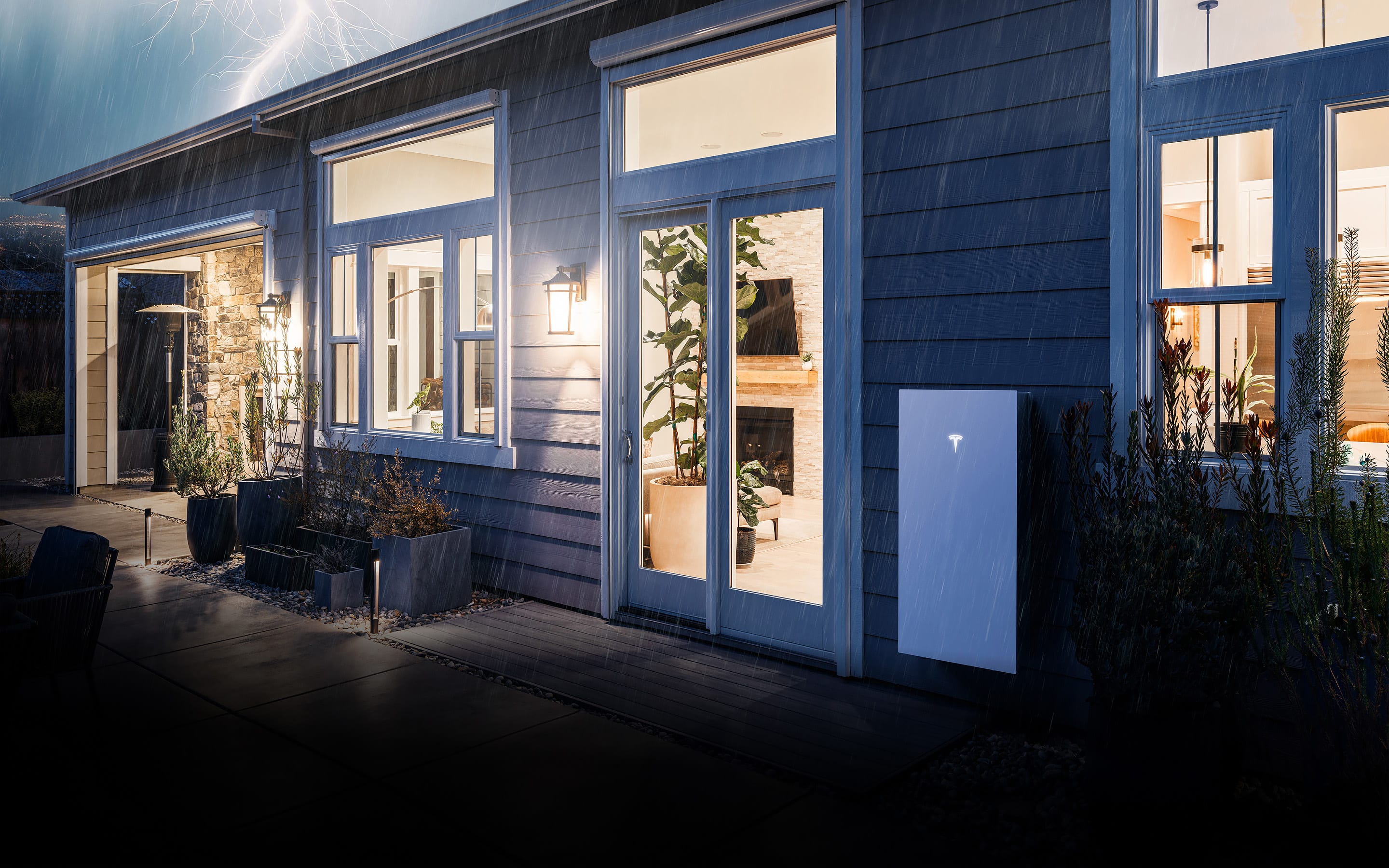
Many ordinary grid-connected systems stop supplying the home when the grid fails. Backup requires a design that can disconnect safely and operate the intended loads. Storage is often part of that design; particular systems can also offer limited sunlight backup. Before buying, ask the installer to describe exactly what happens during a daytime outage and after sunset. [4]
What to ask before you choose a system
Request the roof layout, expected annual production, equipment model numbers, shade assumptions, and monitoring plan. Then ask how the proposal treats future electricity use, roof work, and utility charges. A good solar plan connects the science on your roof to the way your household actually lives. Review at least a year of electric bills and tell the designer about planned changes, such as an electric vehicle. Check roof condition before installation and ask who coordinates removal and reinstallation if roof repairs are needed later. The Department of Energy’s consumer guide treats efficiency, contractor selection, and the property review as part of the solar decision. [5]
Sources & further reading
Information reviewed October 31, 2026. Follow the linked primary sources for complete guidance and updates.
- Solar photovoltaic cell basicsU.S. Department of Energy
- Solar photovoltaic technology basicsU.S. Department of Energy
- PV performance calculation methodsEuropean Commission Joint Research Centre
- The road to resilience with rooftop solarU.S. Department of Energy
- A step-by-step guide for consumers going solarU.S. Department of Energy
General homeowner education. The appropriate equipment, rates, costs, and installation design depend on your home and the current offer.